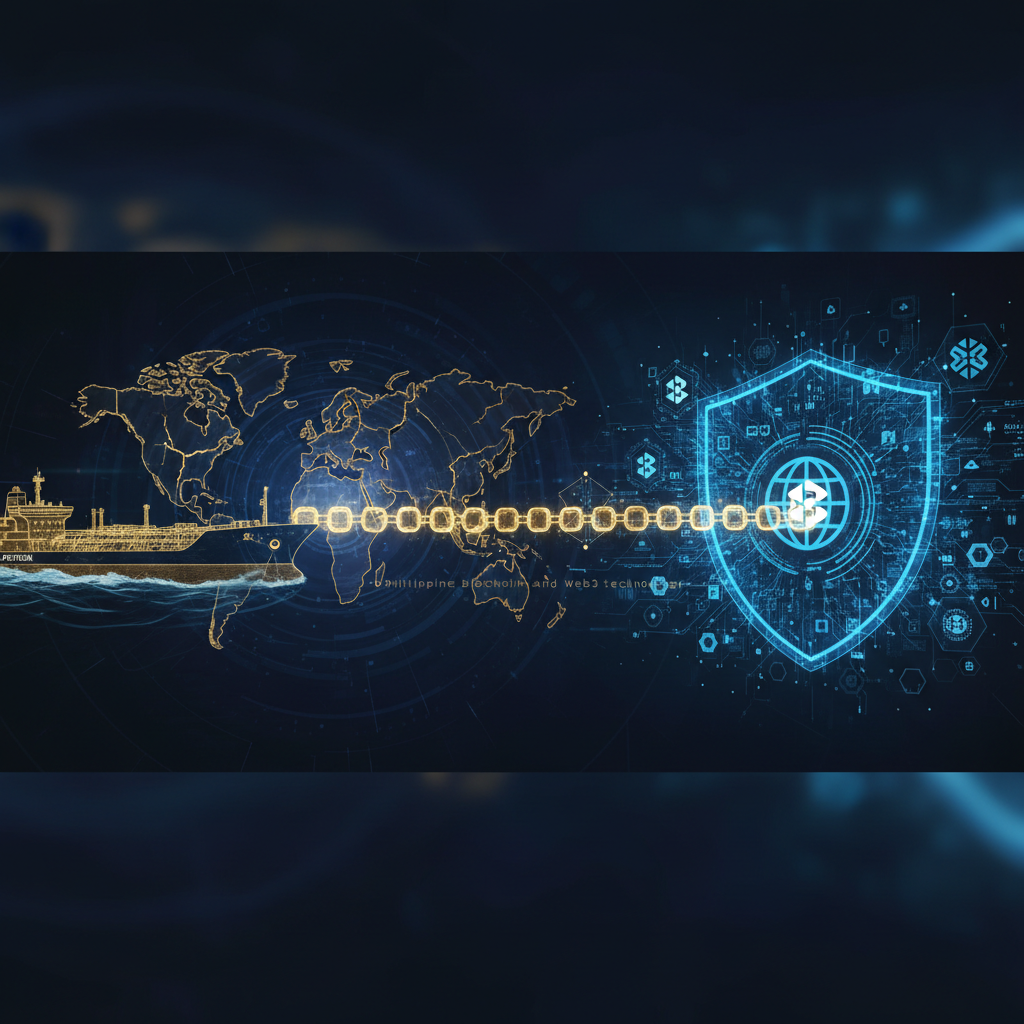
Philippine Energy Security Amidst Geopolitical Volatility
MANILA, Philippines – In a significant move to bolster the nation's energy reserves, Petron Corporation, under the leadership of tycoon Ramon Ang, has announced the acquisition of 2.48 million barrels of crude oil from Russia. This substantial procurement is slated to secure the country's crude supply until June, providing a crucial buffer against the backdrop of persistent disruptions in global oil markets, largely attributed to the ongoing conflict in the Middle East.
The disclosure, made earlier this week, reveals Petron's proactive approach to navigating the volatile international energy landscape. For a net oil-importing nation like the Philippines, ensuring a stable and affordable supply of crude oil is paramount to economic stability and national security. Fluctuations in global oil prices directly impact the peso's stability, consumer prices, and the operational costs for businesses across various sectors, from transportation to manufacturing.
While this traditional procurement strategy addresses immediate concerns, it inadvertently shines a spotlight on the inherent vulnerabilities within conventional global supply chains. The reliance on centralized, often opaque, systems for critical resources exposes economies to geopolitical risks, price manipulation, and logistical bottlenecks. This is where the principles of decentralization and transparency, core to blockchain technology, offer a compelling alternative for future resilience.
Blockchain's Role in Future-Proofing Supply Chains
The Philippines, through initiatives by the Bangko Sentral ng Pilipinas (BSP) and the Securities and Exchange Commission (SEC PH) in exploring digital assets and distributed ledger technologies, is already laying groundwork for a more digitally integrated economy. While these efforts primarily focus on financial infrastructure and digital payments, the implications for supply chain management are profound.
Imagine a future where the provenance of crude oil, from extraction to delivery, is immutably recorded on a blockchain. This would provide unparalleled transparency, allowing for real-time tracking of shipments, verification of origin, and automated compliance checks. Such a system could mitigate risks associated with counterfeit goods, enhance accountability among suppliers, and streamline logistics, potentially reducing costs and improving efficiency.
Furthermore, tokenization of commodities, including energy assets, could create more liquid and accessible markets, reducing reliance on traditional intermediaries and potentially offering new financing mechanisms for local companies. Smart contracts could automate payment settlements upon delivery verification, reducing disputes and accelerating transactions. For Filipino users and businesses, this could translate to greater price stability, more reliable supply, and reduced exposure to the inefficiencies of legacy systems.
The Petron deal, while a necessary tactical response to current market conditions, serves as a poignant reminder of the strategic imperative to explore innovative solutions. As the Philippines continues its digital transformation journey, integrating blockchain into critical supply chains, particularly for essential commodities like energy, could be a pivotal step towards achieving long-term economic resilience and sovereignty in an increasingly interconnected yet unpredictable world.