OnePay Broadens Crypto Horizon, Eyes Mainstream Adoption
OnePay, the financial technology arm backed by retail giant Walmart, has made a significant stride in its digital asset strategy by integrating a dozen new cryptocurrencies onto its platform. This expansion, which includes prominent tokens such as Polygon (MATIC), Arbitrum (ARB), and Solana (SOL), is strategically aimed at catering to a growing demographic of users who are new to the crypto ecosystem. The move positions OnePay as a more comprehensive gateway for mainstream consumers looking to dip their toes into the world of digital finance.
The integration of these tokens reflects a broader trend among established financial entities to align their offerings with evolving customer demands and the increasing utility of various blockchain networks. By providing access to a diverse range of assets, OnePay aims to simplify the entry process for individuals who might otherwise find the crypto landscape daunting. This user-centric approach could significantly accelerate the adoption of digital assets among everyday consumers, potentially mirroring the ease of use found in traditional banking apps.
Philippine Context: Regulatory Landscape and User Impact
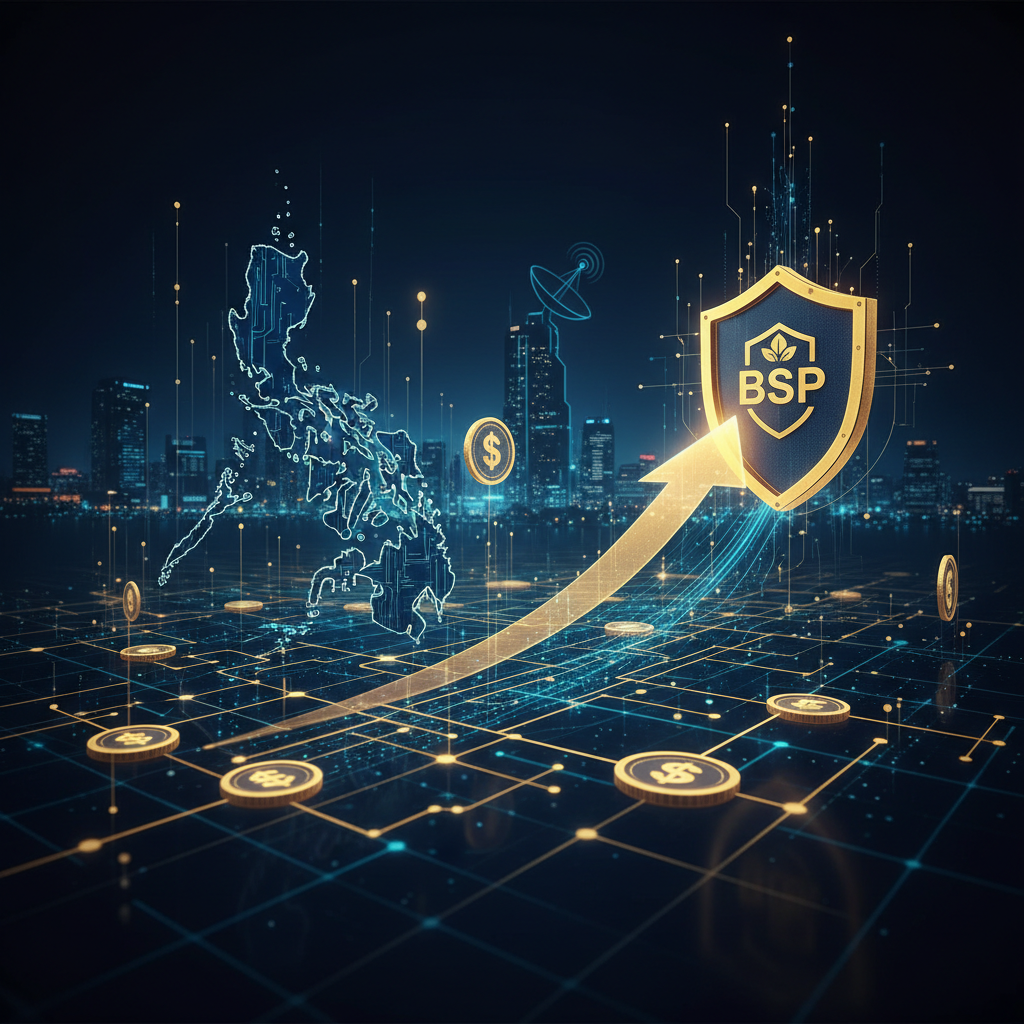
For the Philippines, a nation with a burgeoning interest in cryptocurrencies and Web3 technologies, OnePay's expansion carries notable implications. While OnePay primarily operates in other markets, its strategy could serve as a blueprint or a point of reference for local financial institutions and regulators. The Bangko Sentral ng Pilipinas (BSP) and the Securities and Exchange Commission (SEC PH) have been actively working on establishing clear regulatory guidelines for virtual asset service providers (VASPs) and digital assets to protect Filipino investors and foster responsible innovation.
The inclusion of tokens like Polygon and Solana, known for their scalability and lower transaction fees, could resonate well with Filipino users who are often sensitive to costs, especially when dealing with smaller transactions in Philippine Pesos (₱). If similar platforms or functionalities were to emerge or expand within the local market, they could offer more accessible and affordable avenues for Filipinos to engage with cryptocurrencies, whether for remittances, payments, or investment. Local fintech companies and e-wallets, which have already seen massive adoption in the Philippines, might observe OnePay’s strategy closely as they consider their own crypto integration plans.
What's Next for Filipino Crypto Users?
The global trend of mainstream platforms embracing a wider array of cryptocurrencies underscores the growing acceptance and utility of digital assets. For Filipino crypto users, this means a potential future with more choices, greater liquidity, and enhanced interoperability across different blockchain networks. As regulatory bodies like the BSP continue to refine their frameworks, the hope is that these developments will lead to a more secure, transparent, and user-friendly environment for digital asset participation in the Philippines, ultimately benefiting millions of Filipinos looking to leverage the power of Web3.