NFT Market Dynamics: A Global Overview with Local Echoes
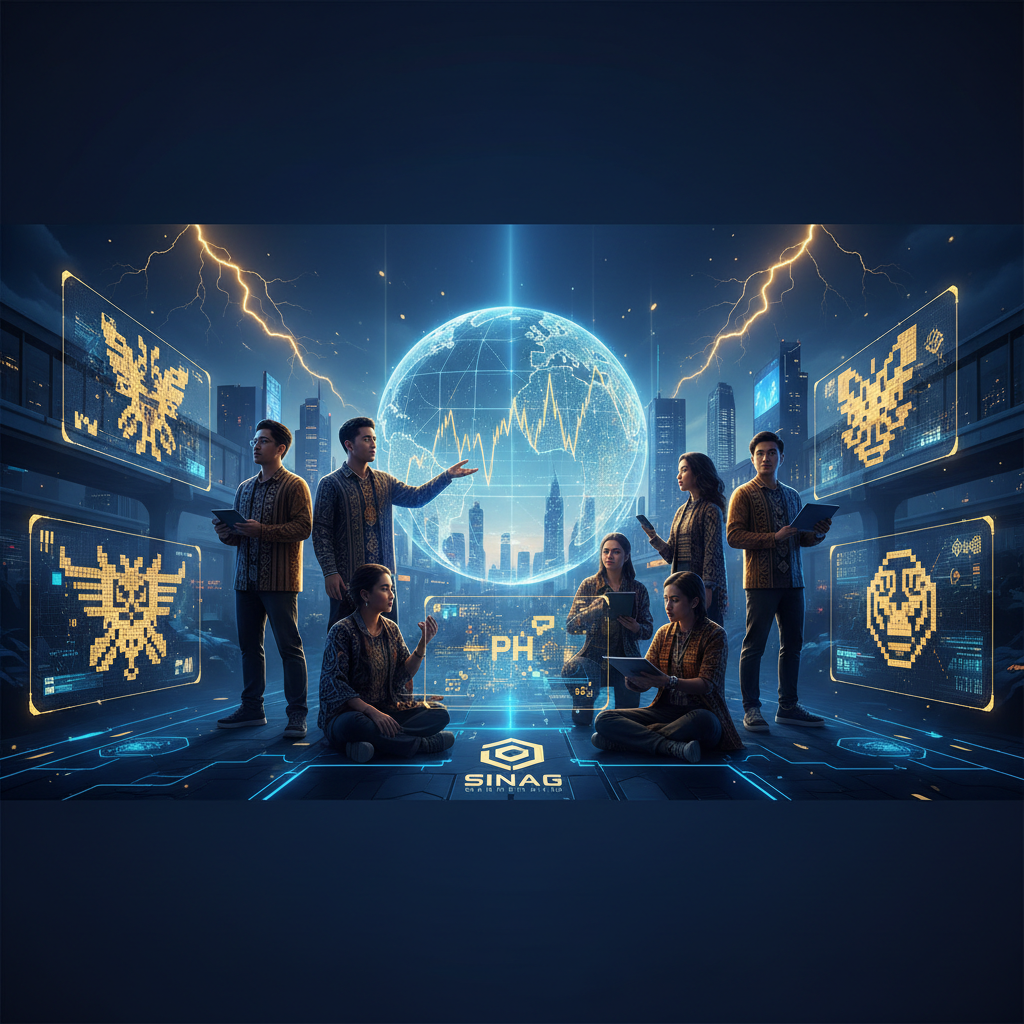
The global Non-Fungible Token (NFT) market has been a whirlwind of activity, with daily trends impacting valuations and community sentiment. While the initial frenzy of 2021-2022 has matured, the sector remains a critical component of the broader Web3 ecosystem, particularly in its intersection with art, gaming, and digital identity. Today's movements reflect a continued consolidation, with blue-chip collections maintaining their stronghold while emerging projects vie for attention.
For Filipino artists and collectors, these global shifts are not just distant headlines; they directly influence local strategies and opportunities. The Philippines, a nation with a deep appreciation for art and a rapidly growing digital population, has embraced NFTs with remarkable enthusiasm. From independent artists minting their unique works to gaming guilds leveraging play-to-earn NFT assets, the local scene is dynamic and resilient.
Recent data indicates a sustained interest in utility-driven NFTs and those with strong community backing. This trend resonates deeply within the Filipino context, where community (bayanihan) is a core value, often translating into robust support for local NFT projects and artists. The emphasis is shifting from speculative flipping to long-term engagement and the intrinsic value offered by these digital assets.
Filipino Innovators Charting New Paths in the Digital Realm
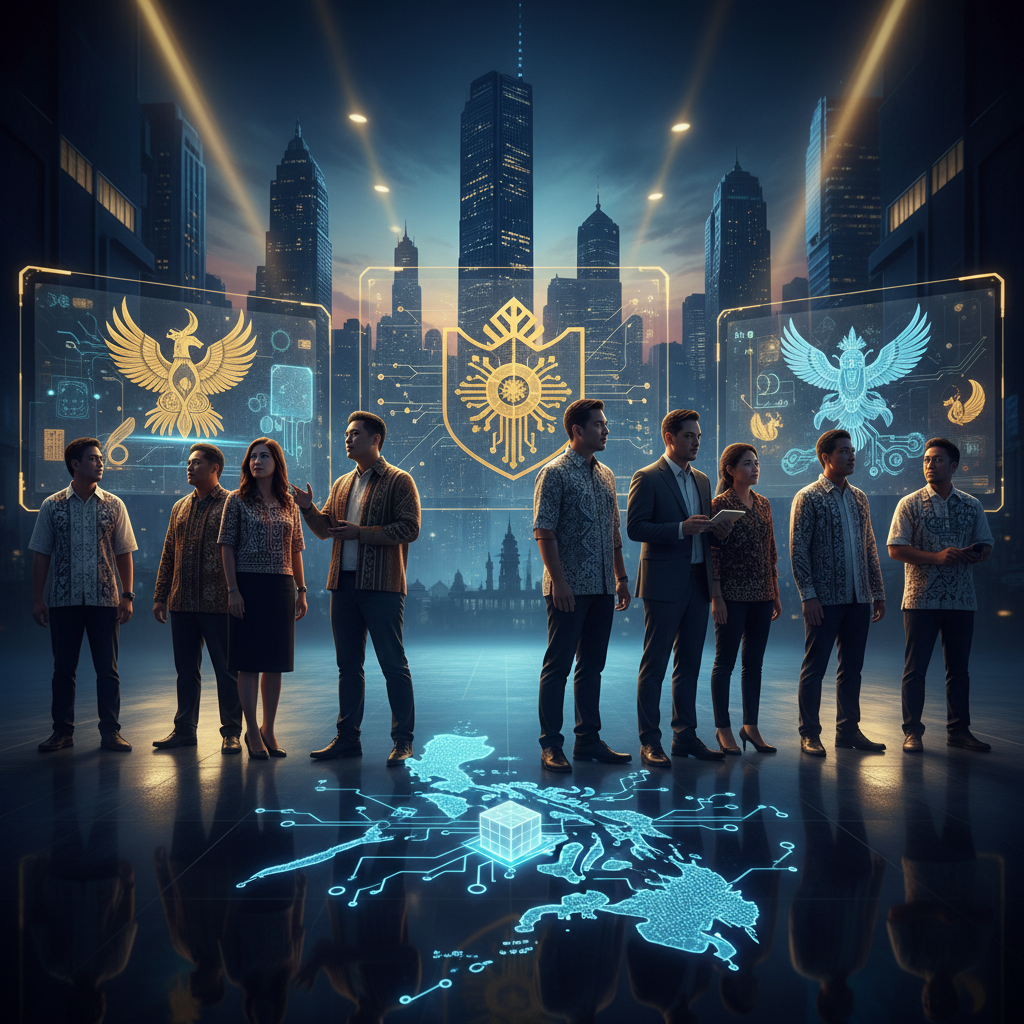
Despite the volatility inherent in the crypto space, Filipino innovators are not merely spectators; they are active participants and pioneers. Local platforms and communities are fostering an environment where digital creativity can flourish. We've seen a rise in Filipino-led NFT projects that blend traditional cultural narratives with modern blockchain technology, creating unique digital collectibles that celebrate national heritage.
Regulatory Landscape and User Protection
The Bangko Sentral ng Pilipinas (BSP) and the Securities and Exchange Commission (SEC PH) continue to monitor the evolving crypto and NFT landscape. While direct NFT-specific regulations are still developing, existing guidelines for virtual asset service providers (VASPs) and investment contracts provide a framework. This regulatory caution, while sometimes seen as a hurdle, also aims to protect Filipino users from potential scams and market manipulation, fostering a more secure environment for participation.
For many Filipinos, NFTs represent not just a new form of investment but also a pathway for economic empowerment. Artists can reach a global audience without traditional gatekeepers, and gamers can earn a living through digital assets. This democratizing potential is a significant driver of adoption across the archipelago, especially in regions where traditional economic opportunities may be limited.
The daily pulse of the crypto market, particularly in the NFT space, serves as a constant reminder of the rapid pace of innovation. For the Philippines, this means a continuous adaptation to new technologies and market trends, ensuring that Filipino talent remains at the forefront of the global Web3 revolution. As the digital world continues to intertwine with our daily lives, the narrative of Filipino creativity and resilience in the NFT space will undoubtedly continue to unfold, promising a vibrant and innovative future for digital asset enthusiasts across the nation.